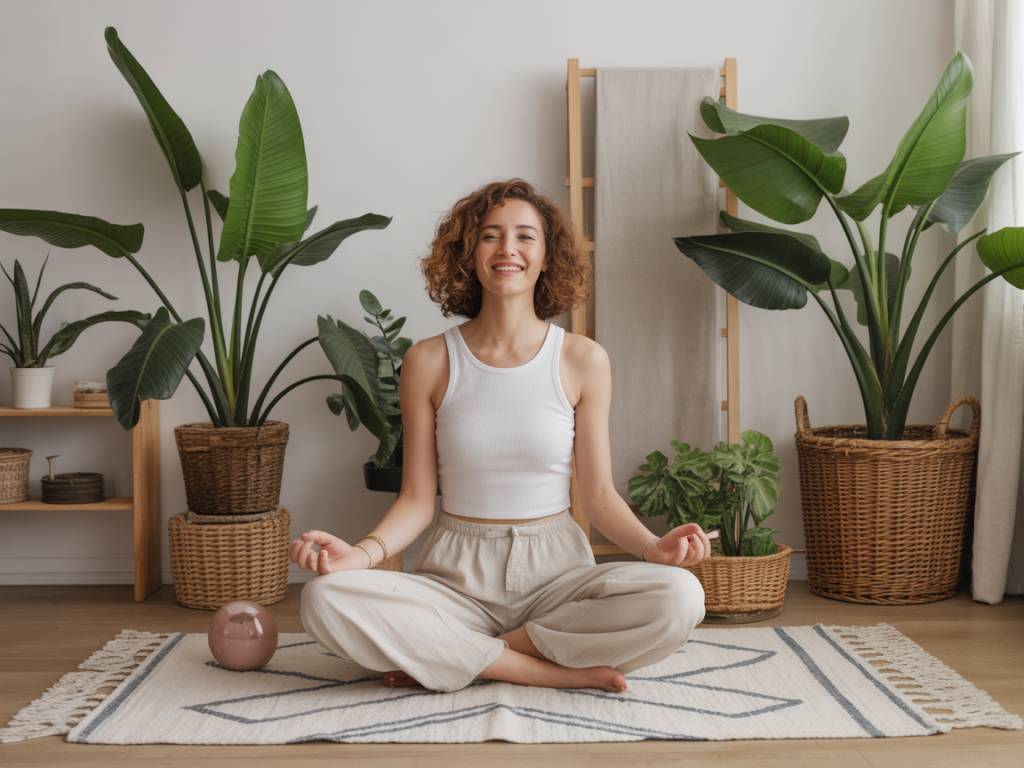
What Eco-Feminine Living Really Means
Eco-feminine living is an approach to everyday life that honours both the planet and the female body. It combines sustainable living, women’s wellness and a more conscious relationship with consumption and self-care. Rather than pushing a perfect, “zero waste” lifestyle, eco-feminine living focuses on making thoughtful, realistic choices that respect your hormones, your mental health and the Earth.
This way of living goes beyond reusable bags and metal straws. It asks questions such as: What is in my period products? How was my skincare made? Is my wardrobe supporting fair labour practices? How do my daily rituals support my cycle, mood and energy? The answers will look different for every woman, but the intention remains the same: align your womanhood, wellness and sustainability in a way that feels nourishing, not restrictive.
Honouring Your Cycle in a Sustainable Way
For many women, menstrual health is the starting point of an eco-feminine lifestyle. Period care is deeply personal, but it is also an area where conventional products can have a significant environmental and health impact. Aligning your menstrual cycle with eco-conscious choices can reduce waste while supporting your comfort and wellbeing.
Common sustainable period options include:
- Menstrual cups – Medical-grade silicone cups can last several years, drastically reducing plastic waste from disposable pads and tampons. Many women also report fewer leaks and less odour when switching.
- Reusable period underwear – Absorbent, washable underwear designed for light to heavy flow days. They look and feel like normal pants but can replace or supplement pads and tampons.
- Organic cotton pads and tampons – If reusables are not suitable for you, organic options with no fragrances or chlorine bleaching can be gentler on sensitive skin and often come in more eco-friendly packaging.
- Cloth pads – Washable pads made from organic cotton or bamboo. They fasten to your underwear and can be a comfortable choice if you prefer an external product.
When choosing sustainable menstrual products, consider your body, lifestyle, and comfort level. For example, active women or those who travel frequently may prefer a menstrual cup, while those with very sensitive skin may lean towards breathable organic cotton options.
Tracking your menstrual cycle can also be part of eco-feminine living. Using a digital app instead of paper trackers reduces waste and helps you understand your hormonal patterns. Knowing when you are more energetic, introverted, or emotionally sensitive allows you to plan self-care, movement and work in a way that honours your body instead of working against it.
Eco-Conscious Self-Care and Natural Beauty
Self-care rituals are often marketed through endless products and single-use packaging. An eco-feminine approach encourages you to simplify, choose thoughtfully and focus on ingredients and ethics as much as aesthetics. Sustainable beauty is not about owning every “clean beauty” product; it is about using less, and choosing better.
Key elements of an eco-conscious beauty routine include:
- Minimalist skincare – Instead of a 10-step routine, select a few high-quality products with transparent ingredient lists. Look for formulations that avoid unnecessary fragrances, microplastics and harsh preservatives.
- Natural and organic ingredients – Plant-based oils, botanical extracts and mineral sunscreens can support skin health while minimising the environmental impact of production and water pollution.
- Refillable and low-waste packaging – Brands now offer refill pouches, glass containers and metal tins. Solid bars for cleanser, shampoo and conditioner can significantly cut down on plastic bottles.
- Cruelty-free and ethically sourced – Seek certifications or transparent statements about animal testing, fair trade ingredients and responsible supply chains.
- Multi-use products – Tinted balms that work on lips and cheeks, or oils that can be used for face, body and hair, help you reduce clutter and waste.
This perspective extends to body care essentials like deodorant, body wash and hair removal. Natural deodorant bars, safety razors with replaceable blades, bamboo toothbrushes and refillable body wash containers offer simple swaps that can lower your plastic footprint while keeping your daily routine functional and enjoyable.
Sustainable Wardrobe Choices for Modern Women
Fashion is a powerful way many women express their identity, but it also carries a heavy environmental and social cost. Fast fashion encourages overconsumption, synthetic fibres and exploitative labour practices. Eco-feminine living invites you to create a more intentional, sustainable wardrobe that supports your values as well as your personal style.
Practical strategies for building a more sustainable wardrobe include:
- Shopping less, choosing better – Before buying something new, pause and ask: Will I wear this at least 30 times? Does it work with what I already own? Does it fit my lifestyle today?
- Prioritising quality fabrics – Natural fibres such as organic cotton, linen, hemp and responsibly sourced wool are often more breathable, durable and biodegradable than many synthetic materials.
- Exploring second-hand and vintage – Charity shops, resale apps and vintage boutiques allow you to refresh your wardrobe without adding new demand to the production cycle.
- Supporting ethical brands – Look for labels that are transparent about their factories, wages and environmental policies. Certifications and detailed sustainability reports can be helpful indicators.
- Caring for what you already have – Washing at lower temperatures, using gentle detergents, air-drying when possible and repairing small damages can extend the life of your clothes significantly.
Your wardrobe can also reflect body respect. Choosing comfortable cuts, breathable fabrics and garments that make you feel confident rather than constrained is part of aligning wellbeing and sustainability. A few well-loved pieces that support your physical comfort and self-image are often more valuable than a crowded wardrobe of rarely worn items.
Nutritious, Planet-Friendly Eating for Women
Food is central to both women’s health and environmental sustainability. Eco-feminine living encourages a style of eating that nourishes your hormonal balance, mood and energy while remaining mindful of the planet’s resources. This does not require perfection or a specific label, but rather a flexible, informed approach.
Key principles include:
- Prioritising whole, minimally processed foods – Vegetables, fruits, whole grains, legumes, nuts, seeds and good-quality proteins typically require fewer resources and provide more nutrients than ultra-processed snacks and ready meals.
- Exploring plant-based meals – Introducing more vegetarian or vegan dishes during the week can reduce your environmental footprint and increase your intake of fibre, antioxidants and beneficial plant compounds.
- Choosing ethical animal products when you do eat them – If you consume meat, dairy or eggs, look for higher welfare standards, local sourcing and transparent farming practices.
- Reducing food waste – Planning meals, storing food correctly, freezing leftovers and using “imperfect” produce helps lower the amount of food that ends up in landfill.
- Listening to your body’s needs – Hormonal shifts can influence hunger, cravings and digestion. Being attentive to how you feel during different phases of your cycle can guide you towards more supportive choices.
For some women, incorporating specific nutrients such as iron, omega-3 fatty acids, B vitamins and magnesium can be especially helpful. If you are considering supplements, checking for responsible sourcing, recyclable packaging and third-party testing can align your wellness choices with your sustainability values.
Creating an Eco-Feminine Home Environment
Your living space plays a significant role in both emotional balance and environmental footprint. An eco-feminine home is not about a particular aesthetic; it is about atmosphere, air quality, materials and how the space supports rest, creativity and connection.
Simple changes to consider include:
- Natural cleaning products – Switching to plant-based, biodegradable formulas, or making basic cleaners from vinegar, bicarbonate of soda and castile soap, can reduce exposure to harsh chemicals and plastic bottles.
- Low-tox living – Choosing fragrance-free or naturally scented products, avoiding unnecessary air fresheners and ventilating your home regularly can support respiratory health and reduce indoor pollution.
- Eco-friendly textiles – Bedding, towels and soft furnishings made from organic cotton, linen or bamboo can feel comfortable on the skin and have a lower environmental impact than conventional synthetics.
- Energy awareness – Using LED bulbs, unplugging devices, insulating properly and making the most of natural light can reduce energy consumption and create a calmer, more grounded atmosphere.
- Meaningful objects instead of clutter – Prioritising items that have a story, a function or an emotional value supports a more intentional lifestyle and reduces impulse buying.
Bringing in elements such as plants, soft lighting, natural materials and a small corner dedicated to relaxation or journalling can help your home feel like a supportive sanctuary rather than a storage unit for things you rarely use.
Aligning Mindset, Boundaries and Sustainability
Eco-feminine living is not only about products; it is also about mindset and boundaries. Guilt and perfectionism are common in both wellness and sustainability spaces. Instead, this approach prioritises progress, curiosity and self-compassion. Small changes sustained over time are more impactful than extreme shifts that quickly become overwhelming.
Some supportive mindset shifts include:
- Choosing “better” over “perfect” – If you cannot buy fully organic, choosing one or two staple items to upgrade still matters. If you cannot switch fully to reusables, using a mix is already beneficial.
- Setting boundaries with overconsumption – Limiting impulse purchases, unsubscribing from constant marketing emails and taking time before buying can help break the cycle of “more is better”.
- Honouring rest – Prioritising sleep, downtime and menstrual rest when possible supports hormonal balance, mental clarity and long-term resilience.
- Practising informed choice – Reading labels, researching brands and asking questions about ingredients, sourcing and labour conditions help you align spending with values without becoming obsessive.
- Celebrating small wins – Switching to a reusable water bottle, trying a menstrual cup, attending a clothes swap or cooking one extra plant-based meal a week are all meaningful steps.
Ultimately, eco-feminine living is about creating a lifestyle that feels authentic and sustainable for you as an individual woman. It invites you to see every purchase, ritual and habit as an opportunity to care for yourself and the planet at the same time.
Starting Your Eco-Feminine Journey Today
Aligning womanhood, wellness and sustainability does not have to happen overnight. A gentle, step-by-step approach is more realistic and more sustainable in the long run. Choosing one area to focus on—whether menstrual care, skincare, wardrobe, food or home—can make the process less overwhelming.
You might decide to start by:
- Experimenting with a reusable menstrual product on one day of your next cycle
- Swapping one conventional beauty item for a natural, low-waste alternative
- Planning two plant-based dinners this week using seasonal vegetables
- Visiting a local charity shop before buying new clothes online
- Making a simple, eco-friendly cleaning spray for your kitchen
Over time, these individual actions begin to connect, shaping a lifestyle that feels more grounded, more intentional and more aligned with your values. Eco-feminine living is less about strict rules and more about ongoing, conscious choices. As you explore sustainable period care, natural wellness products, ethical fashion and planet-friendly habits, you create a personal ecosystem where your body, mind and the Earth are all treated with respect.