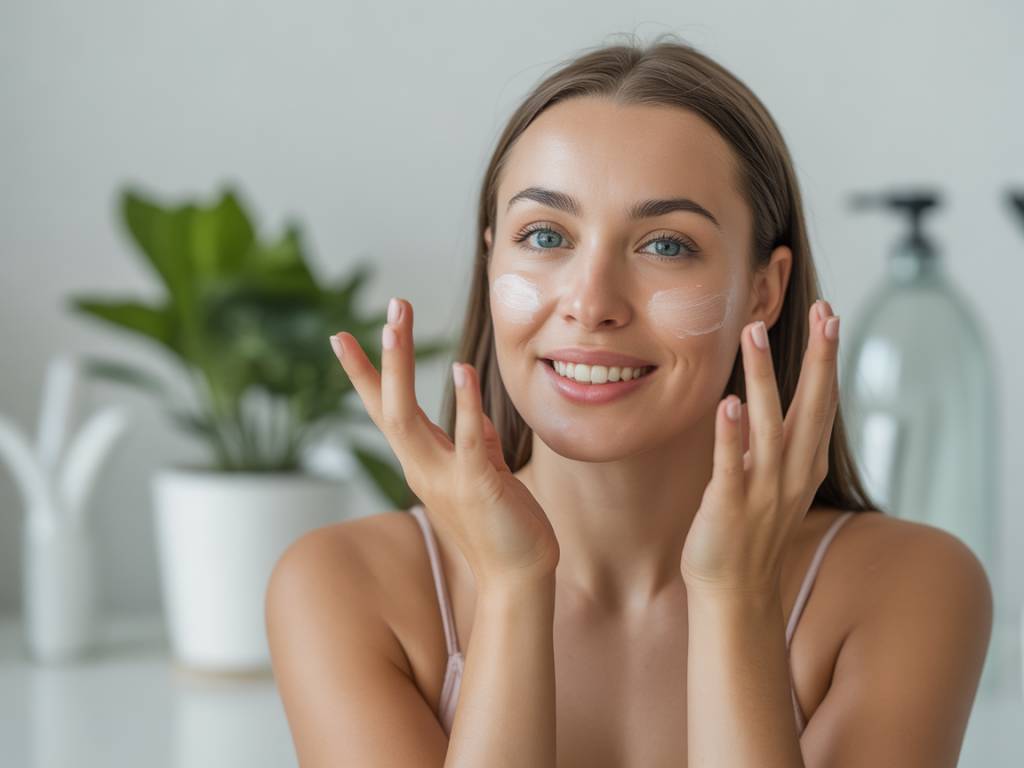
Embracing Natural Beauty: A Sustainable Approach to Everyday Skincare
As more people become conscious of their environmental footprint, the world of beauty is also witnessing a transformative shift. Today, adopting a natural beauty routine isn’t just a trend—it’s a lifestyle. By integrating eco-friendly ingredients into your daily skincare and makeup regimen, you not only enhance your skin’s health but also contribute to a healthier planet.
In this guide, we’ll explore how to embrace natural beauty using sustainable, eco-conscious ingredients. Whether you’re a minimalist or a skincare enthusiast, these tips will help you build a thoughtful and effective beauty routine that aligns with your values.
Why Choose Eco-Responsible Ingredients?
Eco-responsible ingredients are derived from natural, renewable sources and are typically produced through methods that have minimal environmental impact. These components are biodegradable, ethically sourced, and often packaged in recyclable or reduced-waste materials. Choosing these products means saying no to harmful chemicals, animal testing, and unsustainable farming practices.
Incorporating clean skincare products that are cruelty-free and environmentally conscious supports both the health of your skin and the planet. Plus, many eco-friendly products are rich in nutrients, antioxidants, and natural oils that can hydrate and nourish your skin more effectively than synthetic alternatives.
Key Natural Ingredients for Sustainable Beauty
When building your natural beauty routine, it’s essential to look for key ingredients that are both effective and eco-friendly. Here are some top natural ingredients to consider including in your skincare and beauty products:
- Aloe Vera: Known for its hydrating and soothing properties, aloe vera is ideal for calming irritated or sensitive skin.
- Jojoba Oil: This versatile oil mimics the skin’s natural sebum, making it excellent for moisturizing without clogging pores.
- Shea Butter: A rich, fatty butter extracted from the nuts of the shea tree, it’s perfect for deep hydration and improving skin elasticity.
- Green Tea Extract: Packed with antioxidants, green tea helps reduce inflammation and fight free radicals that cause premature aging.
- Rosehip Oil: A source of vitamins A and C, it promotes skin regeneration and brightens the complexion.
- Witch Hazel: A natural astringent, it helps tone the skin and control oil production, especially in acne-prone skin.
Always look out for certifications like “organic,” “fair trade,” and “cruelty-free” when shopping for ingredients or products. These labels usually indicate high standards in terms of sourcing and environmental impact.
Building a Daily Eco-Friendly Skincare Routine
Establishing a consistent routine is key to achieving and maintaining radiant, healthy skin using natural products. Here’s a simple daily routine using eco-responsible ingredients:
- Cleanser: Start with a gentle, biodegradable facial cleanser infused with natural oils or plant extracts like chamomile or lavender.
- Toner: Use a toner made with witch hazel or rose water to balance your skin’s pH and refine pores.
- Serum: Apply a serum rich in botanical ingredients like vitamin C from rosehip oil or hyaluronic acid derived from plants for hydration and repair.
- Moisturiser: Choose a day cream made with shea butter and jojoba oil for deep hydration without leaving a greasy residue.
- Sunscreen: Mineral-based sunscreens with zinc oxide or titanium dioxide provide natural broad-spectrum protection.
At night, opt for a nourishing natural oil or balm to support skin rejuvenation. Make sure to remove makeup with reusable cotton pads and micellar water made with natural ingredients.
Minimalist Makeup with a Purpose
Natural beauty extends beyond skincare—it also encompasses your makeup routine. The minimalist makeup trend aligns perfectly with the eco-beauty philosophy. It focuses on enhancing your natural features with fewer products while using non-toxic, biodegradable ingredients. Look for makeup brands that offer:
- Eco-Friendly Packaging: Choose products in recyclable, refillable, or compostable containers to reduce waste.
- Plant-Based Pigments: Natural tints from fruits, vegetables, or minerals are a safer alternative to synthetic dyes.
- Multipurpose Products: Use lip and cheek tints or all-in-one makeup sticks to minimise product consumption and packaging waste.
Notably, many clean makeup brands now offer vegan mascaras, natural brow gels, and organic foundations with buildable coverage—proving that you don’t have to sacrifice beauty for sustainability.
Tips for Transitioning to a Natural Beauty Routine
Switching to a more sustainable beauty routine doesn’t have to be overwhelming. Here are a few practical tips to help you transition smoothly:
- Start Gradually: Replace one product at a time as your current items run out. This reduces waste and helps you test what works for you.
- Read Labels Carefully: Learn to spot common harmful ingredients like parabens, sulfates, phthalates, and synthetic fragrances.
- DIY Beauty Recipes: Experiment with do-it-yourself masks, scrubs, or hair treatments using ingredients like oats, honey, coconut oil, or avocado.
- Support Local Brands: Look for sustainable beauty products from small, local businesses that use ethical and transparent manufacturing practices.
Transitioning to eco-responsible beauty is as much about mindset as it is about the products. Focusing on quality over quantity encourages mindful consumption, which aligns perfectly with a minimalist and sustainable lifestyle.
The Impact of Natural Beauty on Wellbeing
Adopting a natural beauty approach isn’t only beneficial for the environment—it also enhances your overall wellbeing. Many artificial cosmetic ingredients can cause irritation, allergies, or hormone disruptions. Switching to natural, toxin-free alternatives supports the body’s natural processes and helps maintain skin balance.
Furthermore, using sustainable beauty products often fosters a closer connection to nature. Aromatherapy benefits from essential oils (like lavender, tea tree, or bergamot) can promote relaxation and stress relief, transforming your beauty routine into a moment of self-care and mindfulness.
Where to Shop for Sustainable Beauty Products
Thankfully, finding responsible beauty brands is becoming easier. Many retailers now offer dedicated sections for clean or conscious beauty. Here are some tips for finding trustworthy options:
- Look for Certifications: Such as USDA Organic, COSMOS, Ecocert, Vegan Society, and Leaping Bunny.
- Read Online Reviews: Beauty blogs, YouTube tutorials, and forums like Reddit’s SkincareAddiction can offer authentic user feedback.
- Use Ethical Marketplaces: Websites like Content Beauty & Wellbeing, Naturisimo, and LoveLula curate eco-friendly brands and provide detailed product information.
Investing in natural beauty products supports ethical businesses that prioritise both environmental stewardship and consumer health. Over time, this conscious choice can significantly contribute to a cleaner planet and a more radiant you.
Making sustainable choices in your beauty routine may seem like a small step, but collectively, these efforts lead to significant change. By choosing eco-responsible products, you’re not only embracing natural beauty—you’re empowering a global movement toward environmental responsibility and holistic wellbeing.